Beyond the beaten track
Beyond the beaten track
Unlocking regional tourism growth across Asia Pacific

How dispersed travel can strengthen regional economies and support communities
In an age of algorithm-driven travel, travellers across Asia Pacific are actively seeking less crowded, more authentic experiences, creating new opportunities for regional and non-urban destinations.A new Airbnb report brings together new traveller research, platform data, and real-world case studies to explore how regional and small destinations can enable and empower tourism growth across Asia Pacific.
Grounded in data from across Asia Pacific
Grounded in data from across Asia Pacific
Discover insights, trends from independent polling and Airbnb data that show how regional tourism is reshaping travel, and reference case studies where policy solutions are already helping unlock further benefits.
7,000+
travellers polled
travellers polled
8
countries
14
first-time tourism towns
first-time tourism towns
20
emerging destinations
emerging destinations
Travellers in Asia and the Pacific have spoken
Travellers in Asia and the Pacific have spoken
Travellers in Asia and the Pacific have spoken
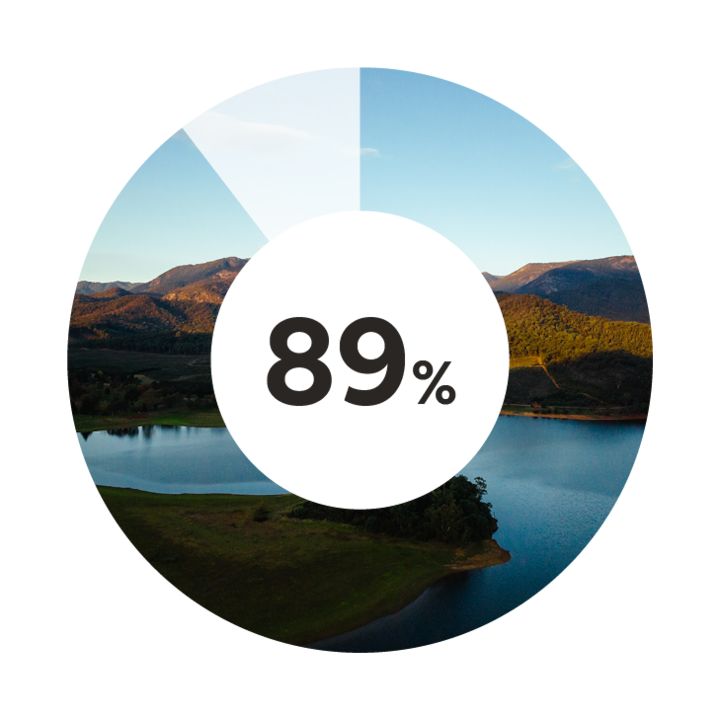
of travellers visited a non-urban destination in the past year
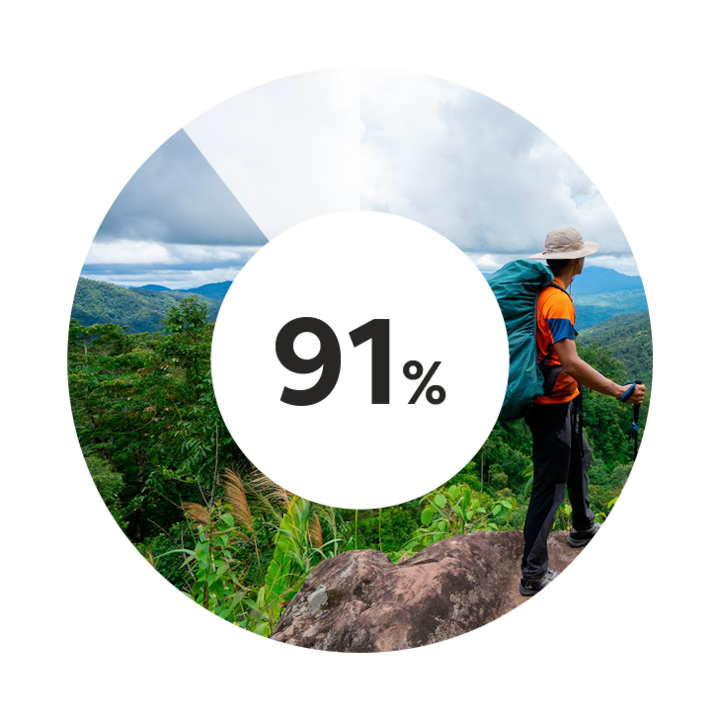
plan to do so again

would not have visited a rural destination without access to short-term accommodation
*YouGov survey commissioned by Airbnb featuring 7,076 leisure travellers aged 18+ across Australia, India, Indonesia, Japan, Malaysia, New Zealand, South Korea and Thailand, November 2025
*YouGov survey commissioned by Airbnb featuring 7,076 leisure travellers aged 18+ across Australia, India, Indonesia, Japan, Malaysia, New Zealand, South Korea and Thailand, November 2025
Opportunities for unlocking regional tourism
Opportunities for unlocking regional tourism
As governments and tourism bodies seek to balance growth with liveability, tourism dispersal presents a practical opportunity. Thoughtful policy levers can help support the growth of regional communities into thriving, sustainably-managed destinations, including:
1.
Examining current trends
Travel preferences are shifting toward non-urban and emerging destinations across APAC
2.
Driving economic empowerment
Harnessing visitor dispersion to support local small businesses and entrepreneurship
3.
Supporting community infrastructure
Investing in existing infrastructure like flexible accommodation supports travel, workforce mobility and essential stays in regional areas
4.
Enabling sustainable growth
Crafting evidence-based policy that enables governments and destinations to manage visitor demand in a sustainable fashion
Our commitment to supporting regional tourism
Airbnb is committed to empowering rural, regional, and remote destinations across Asia Pacific by partnering with local communities, policymakers, and industry leaders to drive sustainable tourism growth, particularly in the following thematic pillars:

Heritage & culture
Preserving and activating cultural assets that strengthen identity and attract visitors

Responsible tourism
Supporting more intentional and conscious tourism that protect natural environments and promote responsible travel

Community & education
Equipping regional communities with the tools, skills, and opportunities to benefit from tourism
Discover more resources
In this webinar hosted with the Pacific Asia Travel Association (PATA), experts from Airbnb and the Regional Australia Institute discuss what this shift means for regional economies, communities and tourism leaders. From emerging travel trends to practical strategies for destination preparedness, this session explores how regions can benefit from the growing demand for authentic, local experiences.

What tourism dispersal looks like in practice
What tourism dispersal looks like in practice

📍 Australia
Tiny Towns initiative
Turning interest in regional travel into real visitation by improving awareness and confidence.

📍 India
Goa tourism academies
Building local capability so communities can participate directly in the visitor economy.

📍 Japan
Disaster preparedness framework
Using distributed accommodation to support emergency response and local resilience.