Keeping Meghalaya’s stories and traditions alive
Keeping Meghalaya’s stories and traditions alive
Anne
📍Meghalaya, India
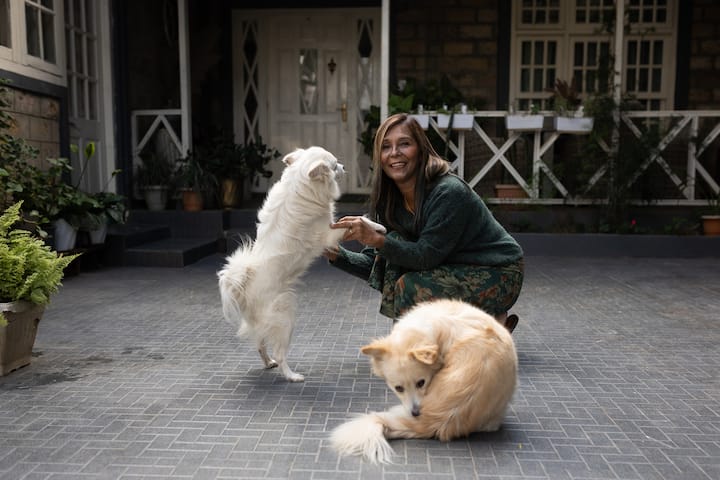
For nine years, Anne has been hosting guests in Meghalaya, treating each stay as another chapter in her “book of life”. What began as a way to support herself in her late fifties has become a second career that connects her with travellers from across the world and allows her to share the culture, stories and landscapes of her beloved state.
Hosting as a personal teacher
Hosting as a personal teacher
Anne turned to hosting when she was 58, investing her savings to add more rooms and build a sustainable livelihood. Over time, meeting guests with different reasons for travel has given her confidence, broadened her worldview and shaped how she understands people and herself. She describes hosting as one of the greatest teachers in her life.



Every guest was like a new chapter, a new episode. There was no single guest or story that was the same. Hosting gives me insight into different cultures. I can handle different situations and expectations better now.
Every guest was like a new chapter, a new episode. There was no single guest or story that was the same. Hosting gives me insight into different cultures. I can handle different situations and expectations better now.
Spreading tourism benefits in her village
Spreading tourism benefits in her village

As Anne’s homestay grew from one room to three, the impact on the local community expanded as well. A driver who started with a small car now owns three vehicles and employs additional staff. Local shops regularly supply her with breakfast provisions, and a young woman from the village works with her on housekeeping and guest support.
Through her recommendations, guests are guided to village eateries, museums and nearby experiences, creating steady business for local families and reinforcing her message to support the local economy wherever possible.

Other people have benefited financially from my hosting work. The driver now has three cars, the shops supply us regularly, and a young girl from the village helps in the house. There is a ripple effect of benefit.
Other people have benefited financially from my hosting work. The driver now has three cars, the shops supply us regularly, and a young girl from the village helps in the house. There is a ripple effect of benefit.
Keeping oral traditions and stories alive
Keeping oral traditions and stories alive
Noticing that much of Meghalaya’s tribal culture was undocumented, Anne began building her own small resource library for guests. She took notes from her travels and compiled stories about local foods, customs and landscapes. These materials are kept in each room and in a library corner so visitors can read before they explore. She also uses breakfast time to share stories, reminding guests that “behind every rock, every tree and every bush, there is a story”. For her, providing cultural context makes each trip more meaningful than a simple checklist of local sights.


I built up my own little resource of traditional knowledge and stories and kept it in every room. I tell guests, please read before you go, because no one will tell you the story. It makes their journey more meaningful than just ‘see this, see that’ and go back.
I built up my own little resource of traditional knowledge and stories and kept it in every room. I tell guests, please read before you go, because no one will tell you the story. It makes their journey more meaningful than just ‘see this, see that’ and go back.
Man and nature
Anne believes Meghalaya can be a case study in how traditional practices support environmental balance. She highlights the state’s sacred forests, land systems and emphasis on cleanliness that upholds a healthy relationship between people and nature. For guests, she encourages visits to the region’s museums, which document the history and culture of indigenous communities across the northeast, and sees social capital and community feeling as just as important as scenery in shaping responsible tourism.
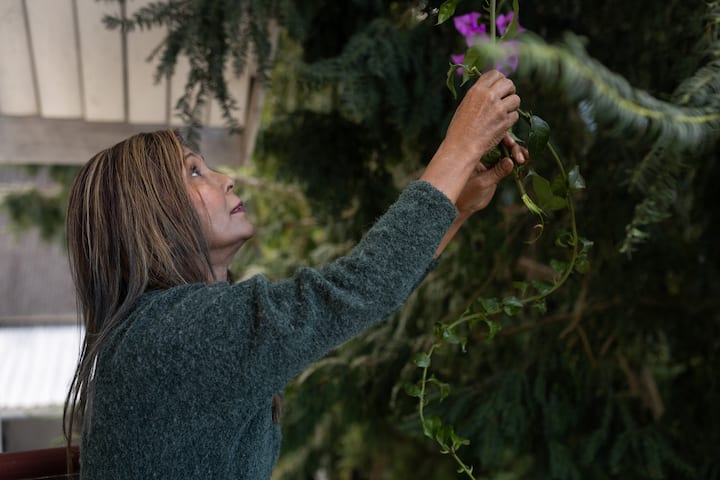
We have such a great system of maintaining our land and forest. The traditional practice is preserve and use – a symbiotic relationship between man and nature. In today’s world of environmental challenges, I think this is something everyone should learn from Meghalaya.
We have such a great system of maintaining our land and forest. The traditional practice is preserve and use – a symbiotic relationship between man and nature. In today’s world of environmental challenges, I think this is something everyone should learn from Meghalaya.


